
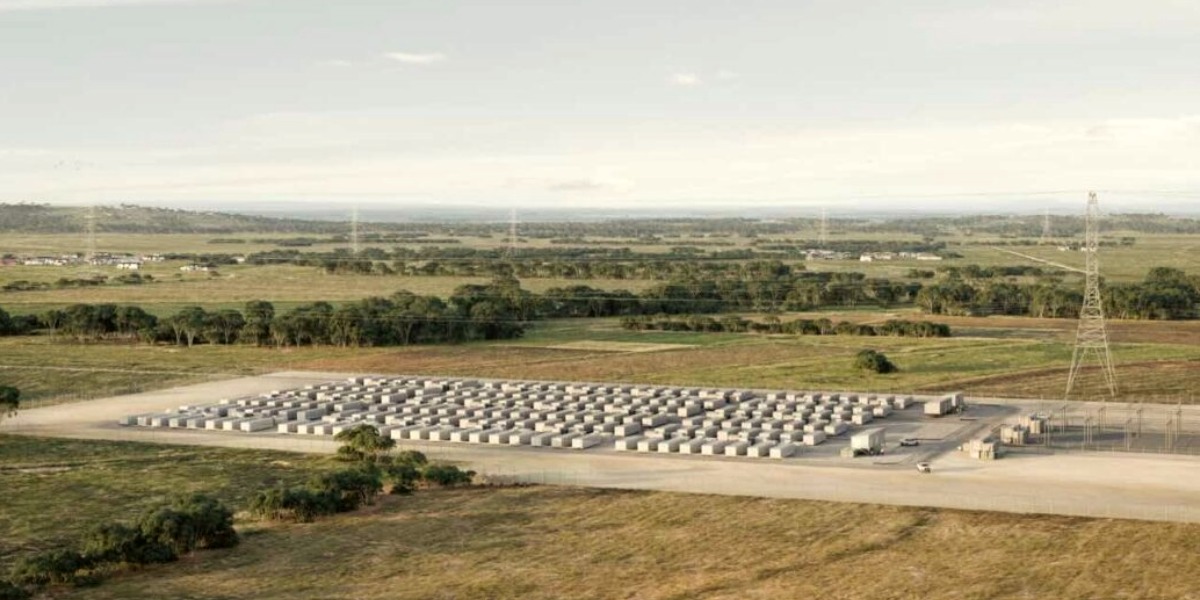
Three prominent battery projects in New England have received backing from the NSW Government, marking significant strides in the push for long-duration energy storage solutions. These projects—the Armidale East Battery Energy Storage System, the Ebor Battery Energy Storage System, and the Kingswood Battery Energy Storage System—are at varying stages of development and will each require planning approval before progressing further.
Battery Energy Storage Systems, or BESS, play a pivotal role in stabilizing the energy grid. By integrating large-scale batteries with advanced battery management and power conversion technologies, BESS can store renewable energy generated during peak production times—such as sunny or windy days—and release it when demand surges or renewable output diminishes. This flexibility supports the grid’s reliability and allows renewable sources to provide a consistent base-load power supply.
Penny Sharpe, Minister for Climate Change and Energy, emphasized the importance of these grid-scale batteries in enhancing energy reliability and reducing electricity costs. “These six big batteries mean we’re on track to smash our storage targets, harvesting the sun and the wind so we can power NSW around the clock and put downward pressure on prices,” Ms. Sharpe stated confidently.
Among the three battery projects, the Armidale East Battery Energy Storage System, proposed by FRV Services Australia, stands out as the most developed. This project aims to deliver an impressive 1,440 megawatt hours of storage. With progress well underway, it is anticipated that the system could be operational by 2027, contingent upon the completion of final approvals.
In contrast, the Ebor Battery Energy Storage System, put forth by Bridge Energy, is still in the early stages of development, focusing on storing 870 megawatt hours. Currently at the phase of preparing an environmental impact statement, the project is set to undergo thorough assessment and consultation processes. Its future remains uncertain, depending largely on the outcomes of these evaluations.
Meanwhile, the Kingswood Battery Energy Storage System, nearby Tamworth and proposed by Iberdrola Australia, plans to offer 1,080 megawatt hours of storage capacity. However, this project has encountered significant local opposition, raising concerns that it could face considerable delays. If community consultations do not yield positive outcomes, the project could potentially be stalled or canceled altogether.
Throughout this developmental phase, Ms. Sharpe reassured the public of the government’s commitment to supporting new energy infrastructure. “We’re not stopping here; NSW will support more projects so we’re ready for a grid powered by renewable energy, supported by gas,” she affirmed.
All three New England battery projects have been classified as State Significant Developments and will undergo independent assessments by the NSW Department of Planning, Housing, and Infrastructure, or, where necessary, the Independent Planning Commission. The government has called for community feedback as part of these evaluations, ensuring that local voices are heard together with industry expertise.
Projects that have secured a Long-Term Energy Service Agreement must still navigate through the complete planning approval process. According to the NSW Government, these agreements provide essential revenue underwriting to instill investment confidence among proponents, but they do not bypass the critical planning controls aimed at protecting environmental and community interests.
Importantly, if any of the awarded projects do not advance as planned, the NSW Government has assured residents that there will be no financial repercussions for electricity consumers or taxpayers.
This initiative is part of a larger tender process managed by AEMO Services Limited, aligned with the NSW Electricity Infrastructure Roadmap. This roadmap aims to achieve at least 16 gigawatt hours of long-duration storage by 2030, ramping up to an ambitious 28 gigawatt hours by 2034, reinforcing NSW’s commitment to a sustainable energy future.
Have thoughts on this initiative? Share your views in our opinion and comment hub, New England Times Engage.


