

The Complex Landscape of Immigration Detention at Clinton County Correctional Facility
HUNTER SMITH/THE EXPRESS
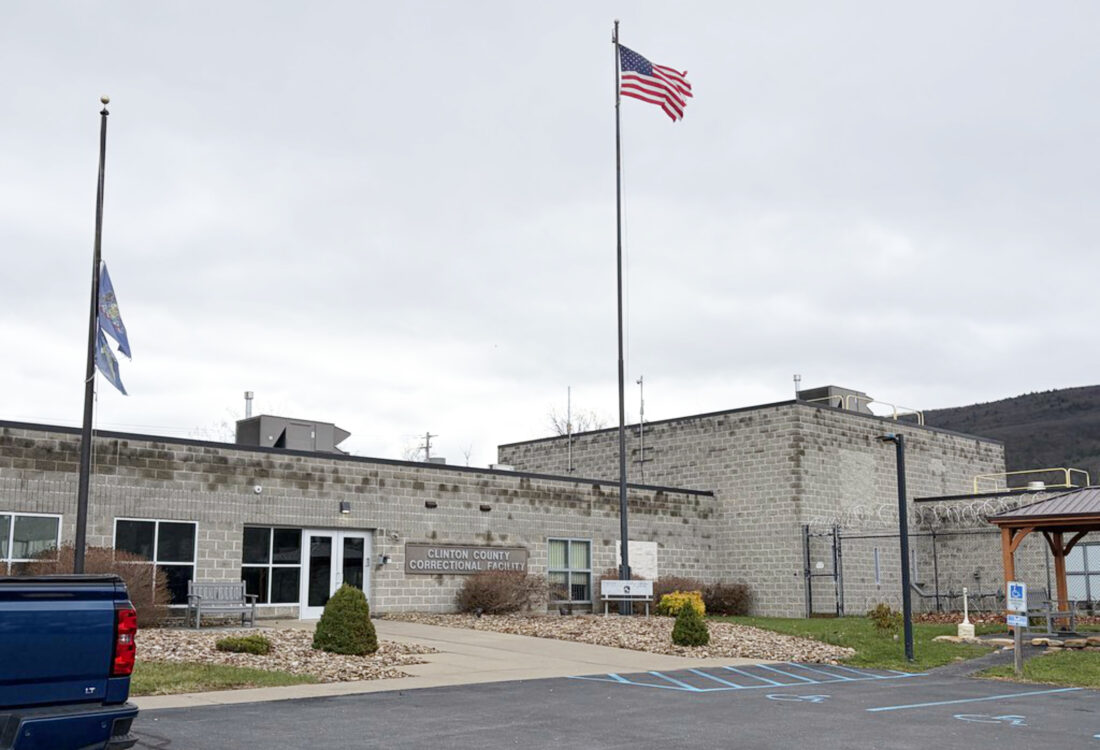
The Clinton County Correctional Facility is pictured. In recent months, the prison’s population has seen its contingent of ICE detainees swell.
Overview of the Clinton County Correctional Facility
Located in McElhattan, Pennsylvania, the Clinton County Correctional Facility (CCCF) serves as one of many local jails across the United States that house Immigration and Customs Enforcement (ICE) detainees. This arrangement allows ICE to utilize existing facilities without the need for negotiating new contracts, a strategy that has drawn both praise and criticism.
How Local Jails and ICE Collaborate
The CCCF operates under a contract originally established with the U.S. Marshals Service (USMS) and has adapted its role to house ICE detainees. This co-opting of contracts raises questions and concerns about transparency and public accountability. With ICE detaining tens of thousands across the nation, the majority of its facilities are not dedicated detention centers but rather local jails and privately operated prisons.
In Pennsylvania, seven facilities participate in this system, including federal prisons and county jails. The CCCF, Cambria, Pike, and Franklin county jails are notable examples. Previously, the Erie County Prison also held ICE detainees but recently opted out of that agreement.
The IGA Structure: A Dual-Edged Sword
Many of these county jails, including CCCF, house detainees through Intergovernmental Agreements (IGAs) with the USMS, which allows federal enforcement agencies to use local facilities. This framework is crucial for ICE, as it enables rapid expansion of its detention capacity without the cumbersome process of establishing new contracts.
ICE can be added as an “authorized agency user” to these long-standing IGAs, which often lack an expiration date. This flexibility allows ICE to adjust its detainee population swiftly, catering to changes in demand without prolonged negotiations.
Financial Incentives for Local Governments
For local governments like Clinton County, housing ICE detainees can represent a significant revenue stream. The CCCF receives a per diem rate of $82 for each detained individual, a compensation that goes towards covering housing and safekeeping costs. This funding arrangement has led to substantial financial benefits for facilities accommodating ICE detainees.
Warden Angela Hoover noted that over the past five years, CCCF has generated an average of $2.5 million annually from its participation in the detention program, accounting for around 37% of the facility’s total expenditures. ICE detainees make up 95% of the total population under this agreement, revealing the dependency of local finances on federal immigration policies.
The Human Costs of Detention
Despite the financial gains for local facilities, critics argue that the per diem payment model fosters a system that prioritizes profit over the welfare of detainees. Advocacy groups like the National Immigrant Justice Center (NIJC) stress that such structures lead to increased incarceration rates and substandard care.
The NIJC has emphasized that profit-driven motives cloud the broader implications of these agreements, which blur the lines between policymaking and service provision. The potential for human rights abuses within such profit-driven facilities remains a significant concern, raising ethical questions about the treatment of detainees.
Public Responsibility and Transparency Issues
One major critique of the current system lies in its lack of transparency. The agreements in place often operate outside public scrutiny, leading to a diffusion of political responsibility among local officials. This allows them to distance themselves from the actual policies surrounding detention.
Research indicates that local officials may characterize their involvement as merely administrative-housing detainees, thereby avoiding the moral implications of immigration enforcement and its consequences. This framing also opens the door for communities to rationalize their participation as pragmatic, arguing that if detention is inevitable, they should at least receive some financial benefits.
National Implications and Observations
The phenomenon at the CCCF is not an isolated case; it reflects a national trend. As of January 2026, about half of all facilities housing ICE detainees operated under USMS contracts, highlighting this practice’s extensive reach throughout the country. The lack of political scrutiny often associated with USMS detention makes these arrangements less visible and, therefore, potentially less subject to public accountability.
Immigration Attorney Ellyn Jameson points out that this complex system consists of intertwined interests, where local officials, federal agencies, and private companies operate under distinct but occasionally conflicting incentives. What should be a transparent policymaking process instead resembles an intricate business transaction hidden from public view.
In summary, the situation at CCCF encapsulates wider issues surrounding immigration detainees’ treatment, the financial dynamics at play, and the troubling lack of transparency that allow such systems to thrive. The implications of these arrangements extend beyond local economies, raising national conversations about ethics and accountability in immigration enforcement.


